
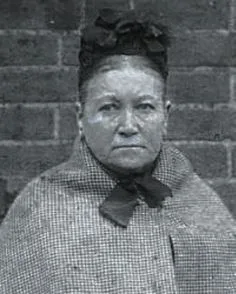
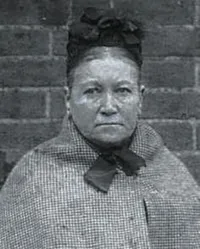
Born in Pyle Marsh, Bristol, in 1837, Amelia's early life was shadowed by mental illness, with her own mother suffering from severe mental breakdowns. Some attribute her later actions, in part, to this turbulent upbringing.
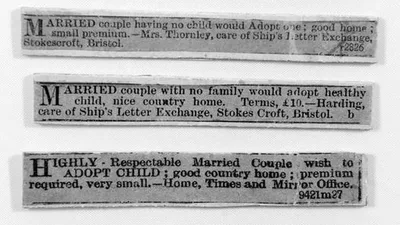
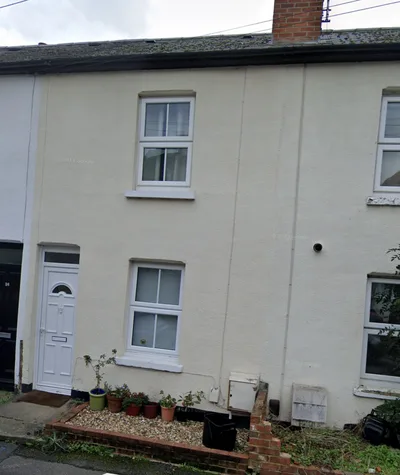
Dyer advertised herself as a "baby farmer," a term used during the Victorian era to describe someone who would care for children, usually in exchange for a one-time payment or a regular stipend. However, instead of providing care, Dyer, living at 26 Piggotts Road, Caversham, would strangle the infants shortly after taking them into her custody and then dispose of their bodies, often in the Thames around what is now Heron Island and View Island. This macabre routine allowed her to pocket the money while avoiding the ongoing expense and effort of raising the children.
The exact number of her victims remains unknown. Some estimates suggest she may have murdered over 400 infants over a two-decade period.
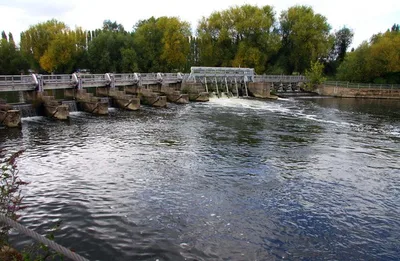
Suspicion arose after the discovery of a small corpse in the River Thames near Caversham Lock which bore a label with Dyer's address. This led authorities to her residence in Piggotts Road, where they uncovered evidence of her ghastly deeds. The police found letters from desperate mothers inquiring about the well-being of their children, pawn tickets for baby clothes, and advertisements for her baby farming services.
Amelia Dyer's trial in 1896 was a sensation, drawing massive public attention. The sheer scale of her crimes and her cold-bloodedness shocked the nation. After a swift trial, she was found guilty and sentenced to death by hanging. On June 10, 1896, she met her end at Newgate Prison, paying the ultimate price for her crimes.
The horror evoked by Amelia Dyer's actions led to increased scrutiny of the baby farming industry and drove legislative change. Her case highlighted the plight of unmarried mothers and the need for social reform to address issues of child welfare and protection.
Many local left small wooden crosses in memory of the lost children tied to the Clappers Footbridge, which runs over the River Thames between View Island and the Lido.
You can read more about this story on Wikipedia and the BBC Berkshire links on the left or the menu below on mobile devices.


Comments
No comments yet. Be the first to share your thoughts.
Join the conversation
Log in to leave a comment on inReading.