
Many innovations have come out of the University of Reading. Here’s a look at some of them.
Reading is arguably the world leader in atmospheric science. The university has operated continuous weather observation since 1901, making its datasets among the longest-running in the world. It famously hosts the European Centre for Medium-Range Weather Forecasts (ECMWF) and maintains a partnership with the Met Office that is unrivaled globally. In 2026, this collaboration added the Advanced Forecasting and Environmental Services Partnership (AFESP), a £30 million initiative pushing the boundaries of local weather prediction and climate resilience. Reading atmospheric scientists helped refine understanding of the Walker Circulation, a fundamental atmospheric circulation pattern affecting El Niño and La Niña.
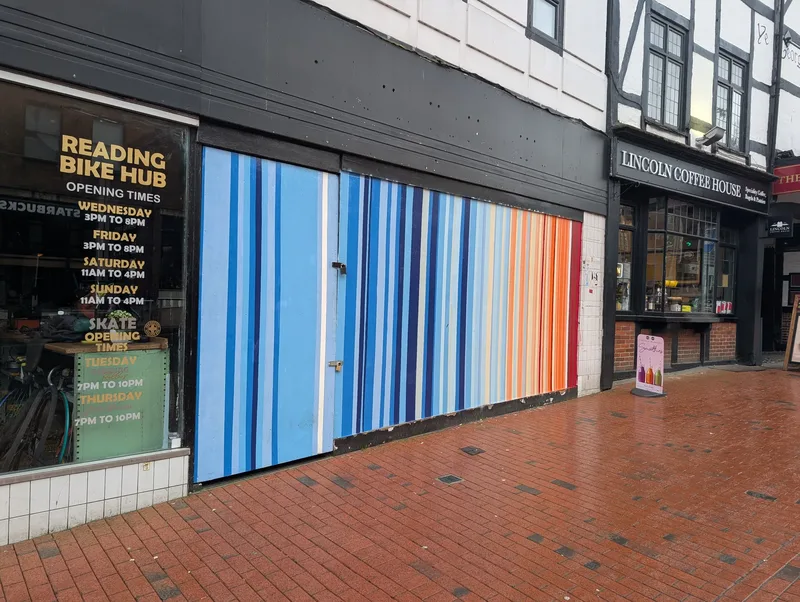
Climate Stripes: those stark vertical blue-to-red bars representing global temperature rises—you’ve seen a University of Reading invention. Created by Professor Ed Hawkins, these stripes have become a universal visual shorthand for climate change, appearing on everything from the cover of The Economist to the main stage at Glastonbury.
The "Reading Rule" & Typography: Reading’s Department of Typography & Graphic Communication is the gold standard for legibility research. The "Reading Rule" refers to their groundbreaking evidence-based principles for typography, ensuring that information—from medicine labels to road signs—is legible for everyone, including those with visual impairments.
Nutrigenomics: Can an apple a day truly keep the doctor away? Reading’s researchers have proven it. Leading work in nutrigenomics has identified how specific compounds in apples and tea (flavonoids) can significantly reduce the risk of heart disease, bridging the gap between diet and long-term cardiovascular health.
The Silchester Dig: Reading leads one of the most significant ongoing archaeological excavations in the world. The Silchester Dig at the Roman town of Calleva Atrebatum has rewritten our understanding of Roman-British life, using advanced DNA analysis to trace the origins of its ancient inhabitants.
Sustainable Food: In 2026, the university is at the cutting edge of "cultivated meat" research. Projects led by scientists like Professor Dimitris Charalampopoulos are using red yeast and cellular agriculture to create sustainable, slaughter-free meat that mimics the flavor and texture of the real thing, helping young adults transition to planet-friendly diets.
Comments
No comments yet. Be the first to share your thoughts.
Join the conversation
Log in to leave a comment on inReading.