
Reading’s library scene is having quite the moment. Between major relocations, shiny new facilities and a quiet revolution in what a library card can unlock, the borough’s book‑lovers are stepping into a very different future — one that blends community spaces, digital perks and a surprising number of hidden freebies.
Reading’s New Central Library
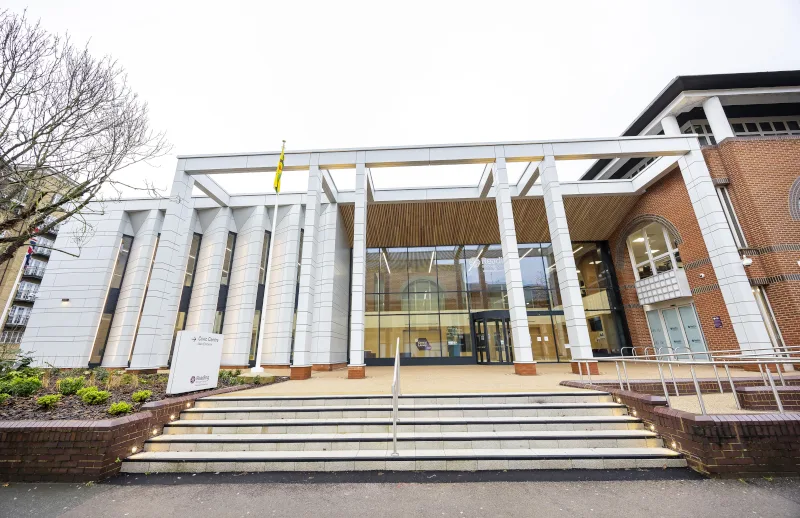
Reading’s brand‑new Central Library, a bright, modern space at the Civic Centre on Bridge Street, will be opening its doors on 18 June.
The old King’s Road site has now closed so that 60,000 books can be moved across town. During the transition, nothing is due back and, in true Reading style, no fines apply! In fact, reading does not impose library fines - you just have to buy the book if you don't return it, which seems fair enough !
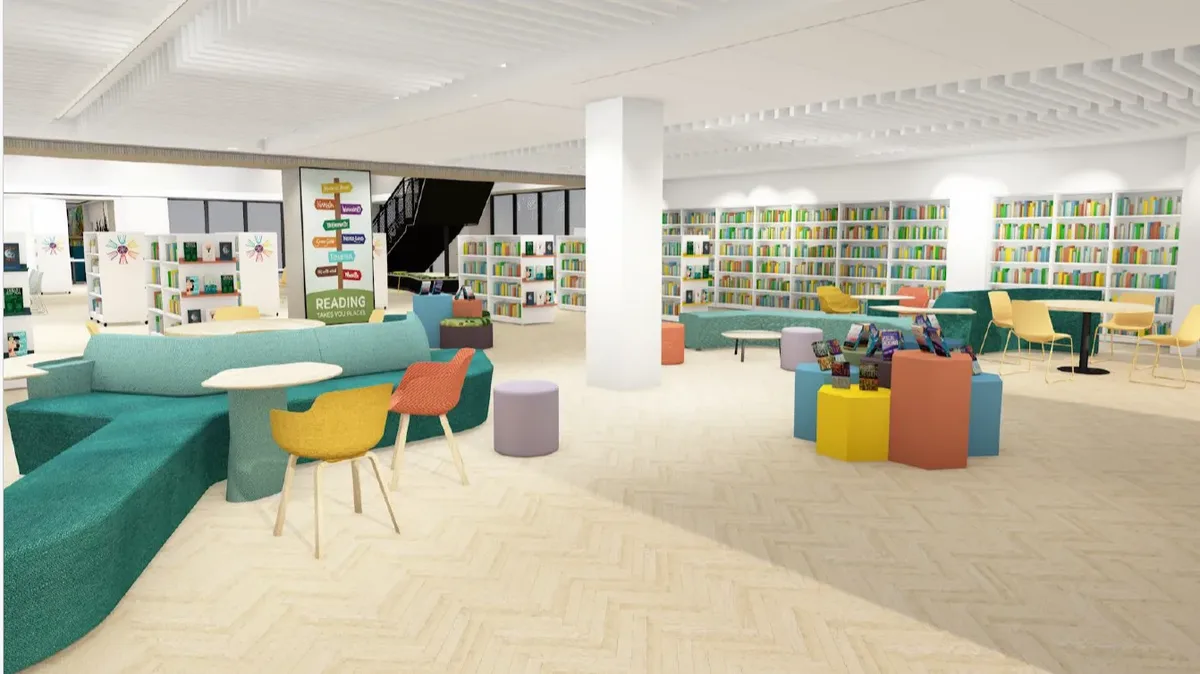
The new building will have almost 100 work and study spaces, a dedicated teen zone, a larger children’s library wrapped in woodland‑themed décor, and a new community events hub called The Square. There will be tablets, laptops, free Wi‑Fi, and a refreshed local history section for anyone tracing their Berkshire roots.
Council Leader Liz Terry calls it “a new chapter for library services in the town,” commenting that the former site had become “dark and doesn’t have the facilities residents now require.”
Winnersh on the Move
Meanwhile, Winnersh Library is packing its shelves once again. Currently tucked inside The Forest School, it made a temporary hop to the Rainbow Community Centre and Children’s Centre over Easter. The council is apparently sketching out a long‑term plan to settle the library at Winnersh Community Centre.
Rachel Bishop‑Firth, the councillor overseeing resident services, says the temporary home could become more than a stopgap. “At Rainbow Park, the library will be next to a children’s centre… we may be able to keep some library facility there if the main library moves to the community centre,” she explains.
From associations with Jane Austen to Michael Bond, Reading has a literary tradition centuries long.
A Tradition Of Reading in Reading
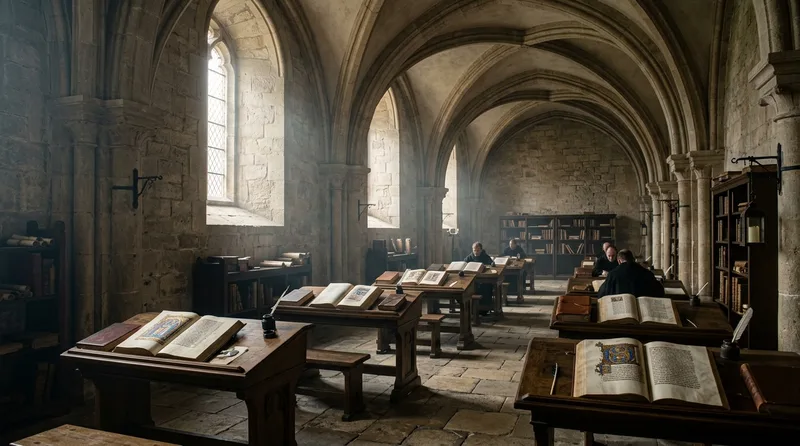
Reading’s library tradition reaches back to the medieval era and Reading Abbey, whose monastic library was “large and important”, with a 13th‑century catalogue listing 228 volumes and manuscripts that later found their way into major public collections.
After the Abbey’s dissolution, the town’s appetite for learning resurfaced in the 19th century through reading rooms and subscription libraries, part of a wider Victorian push for self‑improvement.
Like many expanding industrial towns in the 19th and early 20th centuries, Reading had several reading rooms and men's institutes. These spaces were established to provide working-class men with alternatives to the pub, offering access to newspapers, books, and educational lectures.
Key historical venues in Reading included The Reading Mechanics’ Institute, established in 1826 at 4 London Road, it provided adult education, a library, and reading rooms for local tradesmen. It evolved into a miniature technical college before merging with the University Extension College (now the University of Reading). St. Giles Working Men's Club and Reading Room was located on the corner of Southampton Street and Crown Street, founded in the 19th century to provide a social, literary, and educational hub for local laborers.
The GWR (Great Western Railway) operated institutes for its workforce, providing newspapers, reading material, and societal rooms. Throughout the greater Reading area (such as in Shinfield), smaller localized reading rooms were set up by local landowners and churches to promote self-help and rational recreation.
Yet, despite the Public Libraries Act 1850, Reading’s council hesitated to fund a free public library until 1875, when William Isaac Palmer of Huntley & Palmers personally paid to establish a Free Library in West Street; its popularity finally persuaded the borough to adopt the Act in 1877 and create a municipal service.
A purpose‑built public library was then woven into the extension of Reading Town Hall, opening in October 1882 alongside the museum and art school and becoming the civic heart of reading and research for generations.
Over the 20th century, provision spread outwards as branch libraries appeared in growing suburbs, embedding books, newspapers and quiet study space into neighbourhood life.
In 1985, the Town Hall library was replaced by the new King’s Road Central Library, purpose‑built as the County Library for Berkshire and serving as Reading’s main hub until the latest shift to the Civic Centre site.
The Secret Superpowers of Your Library Card
While the library buildings are changing, the biggest surprises may be hiding in your wallet. Reading’s library card has quietly evolved into a pass for streaming, learning, research and even household essentials.
For example, residents in the food‑waste scheme can pick up free green caddy liners from any Reading library — a small but satisfying perk that can save a few pounds every year.
Inside the local library branches, you can settle into a seat and explore BFI Replay, the British Film Institute’s vast archive of digitised film and TV. Access is in‑library only, and you’ll need your card and PIN to log in.
The National Theatre Collection is also available on library computers, offering high‑quality recordings of major stage productions — just remember to bring headphones unless you want to share Hamlet with the entire building.
Music lovers, meanwhile, can take Naxos Music Library home with them. With millions of classical, jazz and world‑music tracks, it’s essentially a premium streaming service that comes free with your library membership.
A Digital Newsstand and a Classroom in Your Pocket
PressReader and Libby turn your card into a global newspaper and magazine subscription, offering everything from The Washington Post to Vogue at no cost.
For learners, the library’s online portal includes Transparent Language, Theory Test Pro, and GoCitizen, covering everything from ESOL to driving theory to the Life in the UK test.
And for family historians, Ancestry Library Edition is available on‑site — a treasure trove for anyone digging into Berkshire’s past.
A Community Hub for the Future
With six other community libraries — Battle, Caversham, Palmer Park, Southcote, Tilehurst and Whitley — still open throughout the transition, Reading’s network remains as active as ever. These branches continue to offer book loans, audiobooks, printing and computer access while the Central Library prepares for its grand opening.
It seems that in the AI era, llibraries are no longer just places to borrow books. They’re cultural hubs, digital gateways, family spaces and, increasingly, essential community infrastructure.
If you haven’t visited in a while, this summer might be the perfect time to rediscover what your library card can really do!

Comments
No comments yet. Be the first to share your thoughts.
Join the conversation
Log in to leave a comment on inReading.