
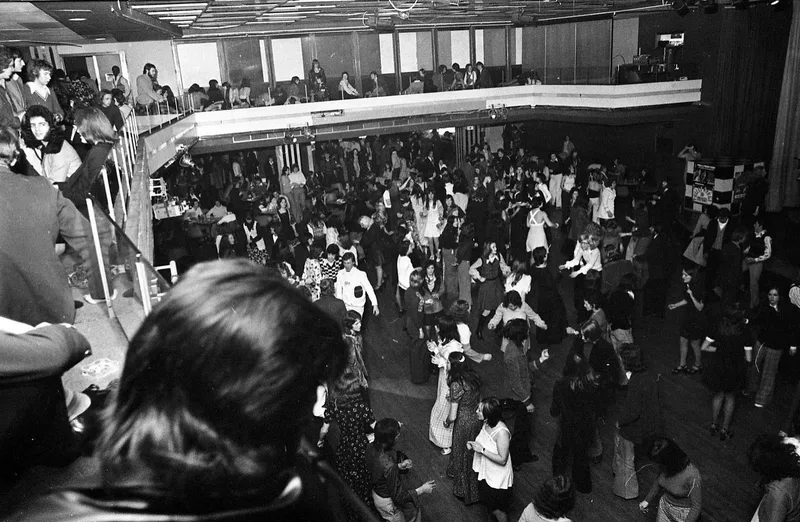
Reading has always known how to put on a show. If The Hexagon is its civic showpiece, then at a time of great change for what is now called ‘the night time economy’, this is the story of everything else - the dancehalls, the forgotten stages, the sticky-floored clubs, plush cinemas and the rep theatres that gave the town its nightlife heartbeat.
Before pop, before punk, even before picture houses, Reading’s entertainment scene began with the theatre. The grandest of them all was the Royal County Theatre on Friar Street (opposite where Siren Brewery now stands), which opened in 1895. It was a Victorian palace of drama and spectacle, drawing in everyone from Shakespearean actors to music-hall stars. It thrived through the Edwardian era, offering melodrama, vaudeville, and pantomimes. But like so many great provincial theatres, its fate was affected by the rise of cinema and a devastating fire in January 1937 sealed its fate.
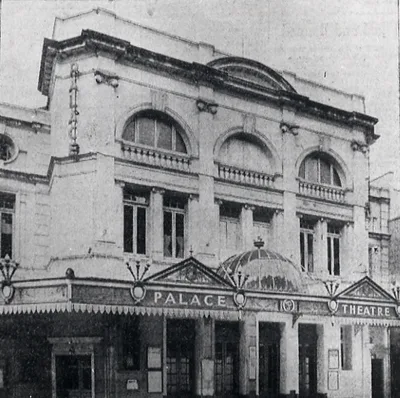
Following the fire, the Palace Theatre on Cheapside, which had opened in 1907, took over as Reading's main live performance venue. It continued to host plays, revues, and concerts until its closure and demolishment in 1960.
Smaller venues like the Mechanics’ Institute (later part of the Town Hall complex) hosted intellectual lectures, recitals, and amateur dramatics for Reading’s respectable classes. But entertainment wasn’t only for the elite. Taverns and inns across the town had long hosted wandering minstrels, storytellers, and musicians, descendants of medieval performance traditions. And the circus was a regular feature with The Sun in Castle Street pub almost being destroyed by elephants from Bertram Mills’ Circus in 1947.
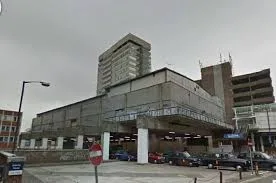
For many years, the Top Rank on Station Hill was the town’s main dance venue. Opened in 1967 it was the venue of much of the town’s matchmaking until it was converted into a bingo hall and then closed and demolished in 2015 to make way for the Station Hill development.
The Majestic Ballroom on Caversham Road, or ‘The Maj’ was the venue of dance competitions before becoming a music venue hosting bands such as The Kinks, The Who, The Moody Blues, The Stone Roses, Dr. Feelgood. Originally called the Corn Exchange, the venue also became a bingo hall and then came back as the RG1 club before closing in 2002.
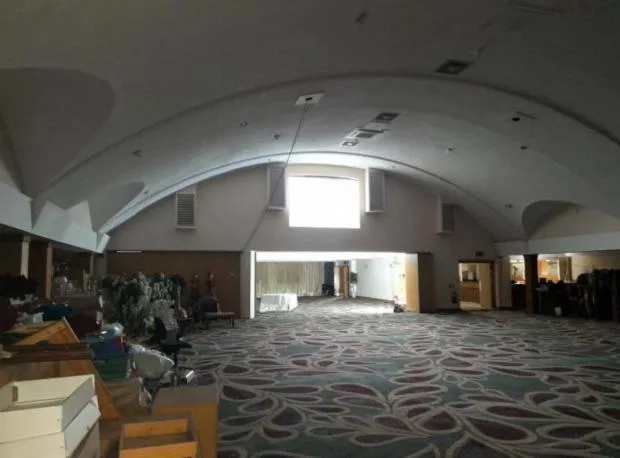
The Olympia Dance Hall in London St was built in 1912 and hosted The Rolling Stones and Rod Stewart. It then became The Matrix superclub and hosted MTV and BBC events as well as acts such as Fat Boy Slim, the Chemical Brothers and Goldie before closing due to noise and social issues as the area became more and more residential (it was even the scene of a shooting and a riot in 2002. More recently it became a large wedding venue before being converted into fifteen flats.
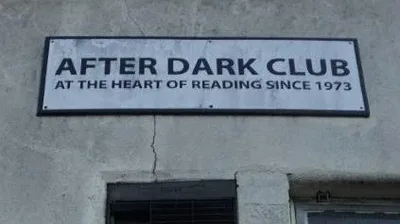
Perhaps the most iconic of all Reading nightclubs was After Dark, further down London Road, which lost its licence in 2021 over noise issues and has not reopened since the Covid lockdown, but was fondly remembered on an American chat show by local luminaries Kate Winslet and Ricky Gervais.
Caversham’s Nue Valbonne was renowned for attracting stars (well, paying them to attend) and underaged drinking in the 90s. It became an Indian restaurant and is now used as offices.
Further afield, Utopia in Calcot on the current site of Ikea was an out-of-town superclub, which did well in the years when pubs shut at 11, but less well more recently, even after introducing an ‘all you can drink for a tenner’ policy. It even had foam parties. It closed in 2001 to make way for the Swedish shelving to meatballs furniture vendor.
There were many more - Level One under Chatham Street Car Park and Applejacks, Fez Club, Boardwalk, Walkabout, Squares, PoNaNa, Washington Heights, Checkpoint Charlie, to name a few.
The most enduring of recent venues is, of course, The Purple Turtle. Founded in January 1990 by music enthusiasts Danny Fraifeld and Greg Muden, it initially operated from a pizza restaurant on Duke Street, where bands were often compensated with pizza and beer. Recognizing their passion lay more in music than in food service, they transformed the establishment into a bar named after their band, Purple Turtle. The venue quickly gained popularity for its unique décor—reminiscent of a teenager's bedroom—and its inclusive, music-driven ambiance
In 1997, due to the development of The Oracle shopping centre, the original Duke Street location was demolished. Anticipating this change, the Purple Turtle had already opened a new venue on Gun Street in 1996, resulting in a brief period where both locations operated simultaneously. The Gun Street venue, housed in a building dating back to around 1700, has been the bar's home ever since. Over the years, the Purple Turtle has hosted a diverse array of events, including live music, burlesque, poetry readings, and comedy nights. It has supported local festivals such as Reading Fringe and Reading Pride, and has been a platform for emerging artists through initiatives like BBC Introducing. Notable figures, including Liam Gallagher and the band Placebo, have been among its patrons. The bar is also known for its quirky features, such as its famously infamous toilets, which once inspired a dedicated Facebook page.
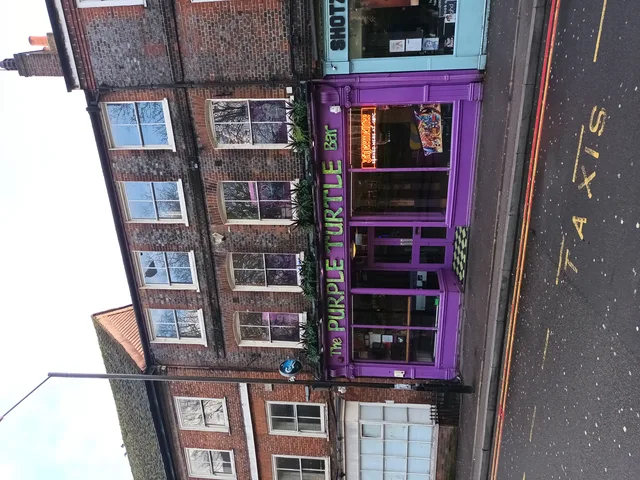
Earlier this year, the Purple Turtle received approval to expand into the adjacent building at 10 Gun Street. The planned expansion includes the addition of a café-restaurant, a new performance stage, and enhanced facilities for performers.
Meanwhile, the town had many picture palaces and variety halls. The Central Cinema on St Mary's Butts (originally the Empire Theatre of Varieties) opened in 1907 as a music hall before becoming one of the town's first full-time cinemas.
The town's first 'cinema' had opened in 1897 with the Reading Cinematograph, a traveling show that introduced locals to moving pictures. As the medium gained popularity, various venues like fairs, community halls, and even the Town Hall hosted film screenings. The Symonds family, known for their brewing business, played a significant role in this development, founding several cinemas including the Rex, Regal, Granby, and Savoy. Opened in 1909 on Broad Street by W.H. White, the Vaudeville Electric Theatre was among Reading's earliest and most successful cinemas. Initially seating 450 patrons, it underwent multiple expansions, eventually accommodating 1,500 viewers. The theatre offered a diverse program, changing twice weekly, and featured live orchestral accompaniment during the silent film era. Despite its early success, the Vaudeville faced competition and changing public tastes, leading to its closure in 1957. The building later became a Boots store.
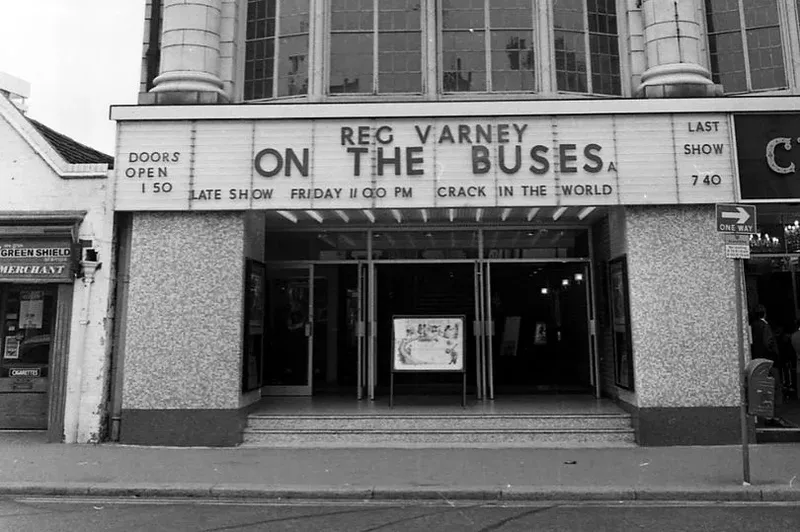
The interwar period saw a boom in cinema construction. The Central Cinema, later known as the ABC, was established just after World War I on Friar Street. The Pavilion, originally opened as the Gaumont in 1929 on Oxford Road, featured amenities like an organist and tea lounge. After closing in 1979, it was repurposed and now serves as a Christian venue, retaining elements of its original architecture. In 1937, the Odeon Cinema opened on Cheapside, showcasing the modernist architectural style characteristic of the chain. It operated until 1999 and was demolished in 2022 . During World War II, the Odeon was one of six cinemas in Reading, serving as a popular entertainment venue for both civilians and soldiers. The town centre only has two cinemas now - The Biscuit Factory and the Vue, which itself is threatened by property development at The Oracle.
For all the glitz, Reading has always had room for more experimental performances. The Progress Theatre, founded in 1946 and settled in its venue on The Mount by 1951, was one such place. It became a beacon for amateur drama and literary theatre, staging Brecht, Beckett, and Shakespeare. Famously, a teenage Kenneth Branagh trod its boards before heading to RADA and global acclaim. Other notable former members include Dame Judi Dench, Marianne Faithfull, and director Peter Strickland.
In the 1980s, this fringe spirit found new expression when a neglected former dole office on South Street was reborn as the South Street Arts Centre. From punk poetry to experimental cabaret, from touring comedians to avant-garde theatre, South Street remains a cultural gem - a space where risk and originality are part of the booking policy. Everyone from Stewart Lee to Josie Long, Mark Thomas to The Tiger Lillies has passed through its intimate stage.
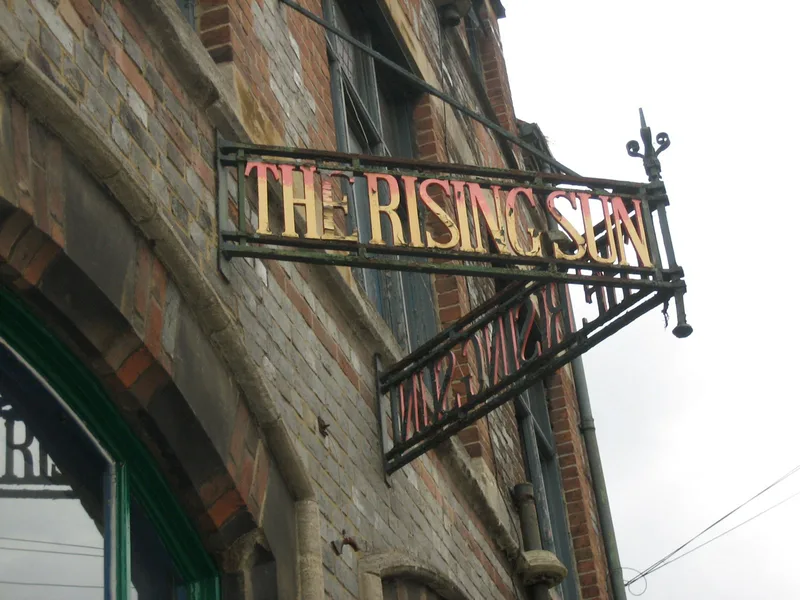
Another grassroots haven is the Rising Sun Arts Centre, born in 1990 when a disused Temperance Hall on Silver Street was transformed by volunteers into a DIY hub for art, music, and community. To this day, the Rising Sun is home to everything from open mic nights to anarchic cabaret, always with an alternatively-spirited commitment to local creativity.
Beyond any permanent venue, the town is of course, known for The Reading Festival, which began as the National Jazz and Blues Festival in 1961, moved to the town in 1971 and never looked back. The early years brought The Faces, Genesis, and Thin Lizzy; by the 1980s it had become the UK’s definitive rock weekender. Iron Maiden, The Ramones, Nirvana, Rage Against the Machine—the names are now legendary. The 1992 appearance by Nirvana, in what would be their final UK show, remains one of the festival’s most mythic moments.
But Reading's music scene has never been confined to a muddy field once a year. During the 90s and early 2000s, The Alleycat (beneath the Purple Turtle), The After Dark Club, and the now-lost Utopia and Zero Degrees were essential haunts for indie kids, goths, punks and ravers. The After Dark, particularly, became the stuff of legend: a dark, sticky, gloriously chaotic club famous for its late-night indie disco and one of the town’s few alternative sanctuaries.
Local talent thrived in these spaces. The Cooper Temple Clause, Does It Offend You, Yeah?, and shoegaze pioneers Slowdive all had roots in Reading’s music scene, as did Mike Oldfield, whose early years included performances in local venues long since disappeared and the town’s latest breakout act, The Amazons.
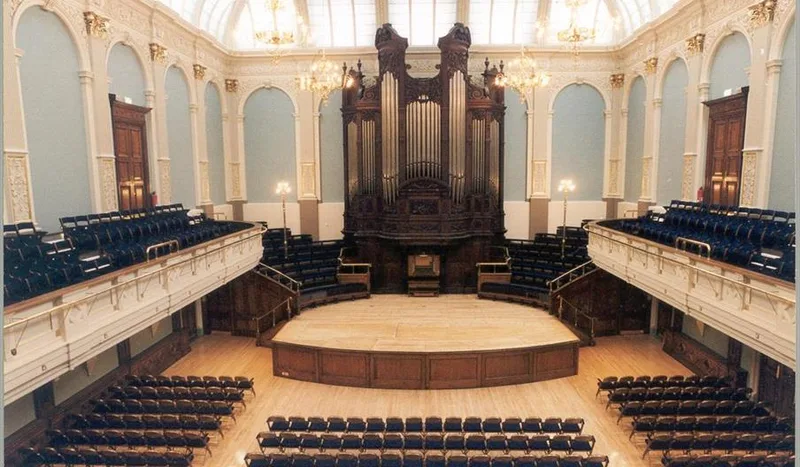
Reading also has a history of more cultured venues. The Reading Town Hall Concert Hall, reopened in the 1990s after extensive refurbishment, became home to orchestral music, recitals, and BBC Radio recordings and the The Great Hall at the London Road campus of the university is a Grade II-listed building designed by Ravenscroft & Steward Smith, opened in 1906, regularly used for classical concerts such as orchestral, choral, big-band, film music, and crossover shows with upcoming events include orchestral tributes like Ultimate Film Music and Symphonic Anime, slated for later in 2025.
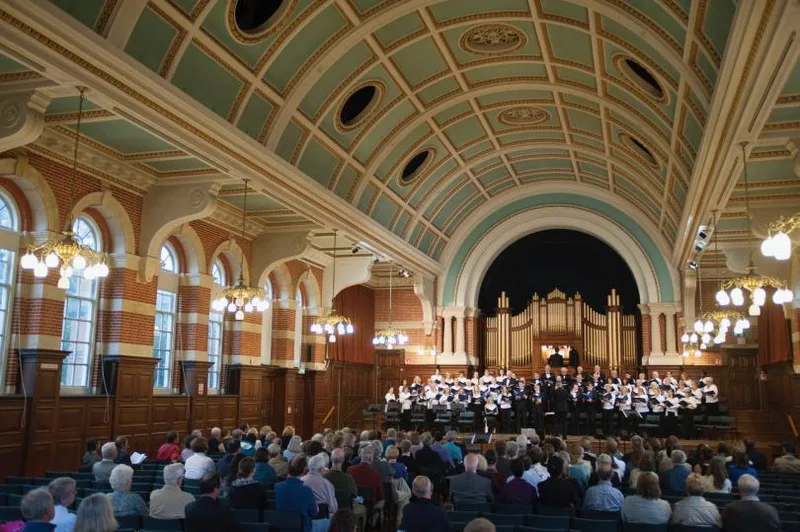
In the past it has also hosted concerts from acts ranging from Pink Floyd to Rudimental.
But we live in a changing era. Half of the nightclubs in the UK are estimated to have closed in recent years and cultural changes have affected Reading too. A changing population and changing tastes, along with a tendency to stay in mean that there are fewer and fewer venues.
Current Venues
Here is a not comprehensive list of Reading’s current leading venues where you can look up upcoming events.
Theatre & Performance
Progress Theatre (The Mount, Christchurch Road, Reading, RG1 5HL)
A beloved community stage seating ~97, Progress Theatre has nurtured local drama—including outdoor Shakespeare in the Abbey Ruins and Caversham Court. They continue to champion bold, volunteer-led productions.
Rabble Theatre (21 South St, Reading RG1 4QU)
A dynamic company staging contemporary works across town, often in outdoor or site-specific settings such as the abbey ruins.
Reading Rep Theatre (Reading College, Kings Road, Reading RG1 4LY)
A professional training and performing company. They host public shows through Reading College’s Rep program, with royal patronage.
The Hexagon (Queens Walk, Berkshire RG1 7QF)
The Hexagon is a multi-purpose theatre and arts venue .
Concert & Fringe Venues
South Street Arts Centre (21 South St, Reading RG1 4QU)
Reading Borough Council’s key fringe venue. Two intimate performance spaces host critically acclaimed touring theatre, live music, comedy, spoken word, and more. Acts like Nerina Pallot, Nick Helm, and BC Camplight regularly appear.
Town Hall Concert Hall (Town Hall, Blagrave Street, Reading RG1 )
This 700-seat, chandeliered civic hall offers classical concerts, comedy nights, BBC events, and occasional rock or dance bookings. Owned by the Council, it’s Reading’s formal arts nucleus.
Rising Sun Arts Centre (30 Silver St, Reading RG1 2ST)
Award winning independent arts centre run by volunteers.
Music Venues & Nightclubs
Sub 89 (110-117 Friar St, Reading RG1 1EP)
The town’s premier live-music hangout: hosting touring bands, stand-up comedy and club nights, with a focus on up-and-coming and established acts.
The Face Bar (Ambrose Pl, Reading RG1 7JE)
A central gig venue and club, offering a mix of music nights and comedy under one roof.
Purple Turtle (9 Gun St, Reading RG1 2JR)
The last of the old-school multi-room venues. Hosts live bands, drag shows, karaoke, and student nights—still vibrant after decades.
The Jazz Café (Select Car Leasing Stadium, Shooters Way, Reading RG2 0FL)
An atmospheric venue spotlighting jazz, funk, R&B live performances—often in combination with dining.
Playlist Live (108a Friar St, Reading RG1 1EP)
An immersive dining-and-music concept where patrons request songs performed live—plus brunch and bottomless cocktails.
Oakford Social Club (53 Blagrave Street, Reading RG1 1PZ)
A friendly, craft-beer-fuelled venue offering live music nights in an intimate setting and once famously hosted a performance by Adele.
Club Era (16-18 Friar St, Reading RG1 1DB)
Formerly the Q Club a large nightclub on Friars Street.
Popworld (110-117 Friar St, Reading RG1 1EP)
Another large venue on Friar Street.
Cinemas
VUE Cinema (The Oracle Centre, Reading RG1 2AG)
All the latest mainstream movies are shown at this state-of-the-art chain cinema with family deals.
The Biscuit Factory (1 Queens Walk, Reading RG1 7QE)
Reading's top indie cinema, with bar, food and working and retail space.
Showcase Cinema (Loddon Bridge, Reading Rd, Winnersh, Wokingham RG41 5HG)
Out of town multiplex on the Woodley/Winnersh border.
Comments
No comments yet. Be the first to share your thoughts.
Join the conversation
Log in to leave a comment on inReading.