
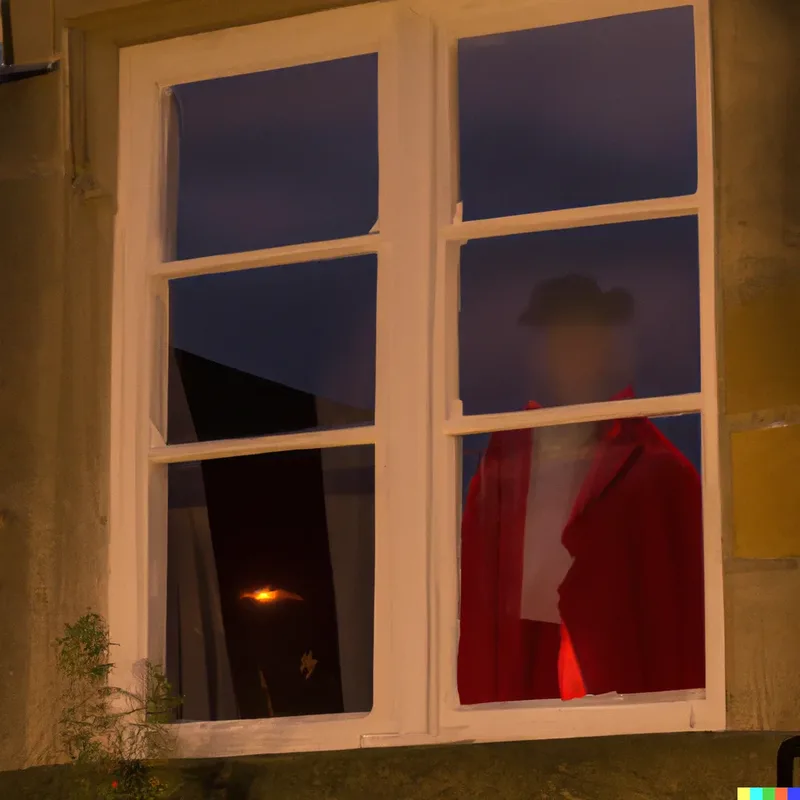
Halloween has become a firm date in the calendar, in particular for children, but what are the origins of this ghoulish festival and when did October 31 become a red letter day (or should that be a black, green and orange letter day) ?
Halloween's origins can be traced back over 2,000 years to the ancient Celtic festival of Samhain, celebrated from October 31 to November 1. This festival marked the end of summer and the harvest season, and the beginning of the dark, cold winter, a time often associated with death. The Celts believed that on the night before the new year, the boundary between the living and the dead became blurred, and the ghosts of the dead returned to earth.
There is little evidence of Celtic settlement in what is now Reading, although the Celts were not known for large scale settlements, so there may have been fishing or farming huts around the confluence of the Kennet and Thames where Samhain was celebrated over two thousand years ago, albeit probably without chocolate or sugar products...
As the Roman Empire expanded, it incorporated the Celtic territories and, over time, Roman festivals merged with the Celtic tradition of Samhain. Two Roman festivals, Feralia, a commemoration of the dead, and a day honouring Pomona, the goddess of fruit and trees, influenced the evolution of Samhain. No doubt these would have been occasions for feasts at the large Roman settlement of Silchester, some eleven miles to the south west of the modern town.
By the 9th century, Christianity had spread into Celtic lands, bringing with it a rebranding of the ancient festival. In 835 AD, Pope Gregory IV moved the celebration for all martyrs (later all saints) from May 13 to November 1st. The night before became known as All Hallows' Eve, eventually shortened to Halloween.
The Christian concept of Halloween blended the Celtic traditions and morphed it into a day where the spirits of the dead could be cleansed in preparation for the arrival of the Saints on All Saints Day.
In other parts of the world it was mixed with the worship or respect paid to ancestors that was often central to other ancient religions and philosophies - this lives on in celebrations such as ‘The Day Of The Dead’ in Mexico.
Over time, Halloween became a more community-centered holiday, with festivities including parades and parties.
In the medieval period, the tradition of "souling" emerged, where the poor would go door-to-door on All Hallows' Eve, offering prayers for the dead in exchange for food, and this became the basis for ‘trick or treating’.
In the time of the Renaissance, masquerades and other festive events became popular ways to mark the occasion.
Initially, Halloween was not widely celebrated in colonial America due to the rigid Protestant belief systems European settlers had brought with them. However, as immigrants, especially the Irish fleeing the Potato Famine, came to America, they brought their Halloween traditions with them.
By the late 19th century, Halloween had become a widespread celebration with a distinct American flavor, incorporating various community-centered activities.
In the 20th and 21st centuries, Halloween has evolved into a more commercial and community-centered celebration, characterized by trick-or-treating, costume parties, carving pumpkins, and various spooky-themed events and has spread back to Europe thanks to American films and TV programmes, until eclipsing the more British tradition of ‘Guy Fawkes’ and the commemoration of the gunpowder plot to blow up parliament by Catholic insurrectionists.
These days, of course, Halloween is enthusiastically celebrated in Reading. With its large diaspora and links to US multinationals this is hardly surprising.
Haunted Spots In Reading
Reading has its fair share of ghostly tales and haunted sites. From historic buildings to eerie graveyards, let’s delve into the mysteries and stories that give Reading its ghostly reputation.
Arguably one of the most iconic landmarks in Reading, the Abbey Ruins have a history that spans over 900 years. Established by King Henry I in 1121, the ruins have seen their share of history, including the burial of the king himself. Visitors often report sighting a ghostly monk wandering the ruins, particularly near the Chapter House. The apparition, draped in a traditional monk's robe, seems to be in search of something, perhaps reflecting the turbulent history of the abbey, which faced dissolution in the 16th century. To date no one has seen its patron, Henry 1 although his body is said to have been buried under the altar of the abbey he commissioned.
Adjacent to the Abbey Ruins, the Forbury Gardens is a Victorian town garden that's known not just for its beautiful landscapes but also for its eerie tales. The site is beside Reading Gaol, where numerous public executions took place. Visitors and locals alike claim to have seen the apparitions of executed prisoners roaming the grounds, particularly on foggy evenings. It's said that the ghost of a prison guard can be seen patrolling the old corridors of the jail itself, and there are accounts of disembodied voices and unexplained cold spots throughout the building which has lain empty for over a decade.

Now a dinner theatre, The Mill at Sonning was originally a flour mill. Over its many centuries of operation, numerous tales have emerged of ghostly goings-on. Most notable is the spirit of a young girl who is often seen standing by the mill race, staring intently at the water. Some speculate she met a tragic end in the waters, and her spirit remains, forever gazing upon her watery grave.
One of the busiest streets in Reading, Broad Street, is home to a ghostly apparition that has been seen by multiple witnesses. Dressed in 19th-century attire, a woman can often be spotted disappearing into walls or fading into thin air. While her identity remains a mystery, many believe she is searching for a lost loved one.
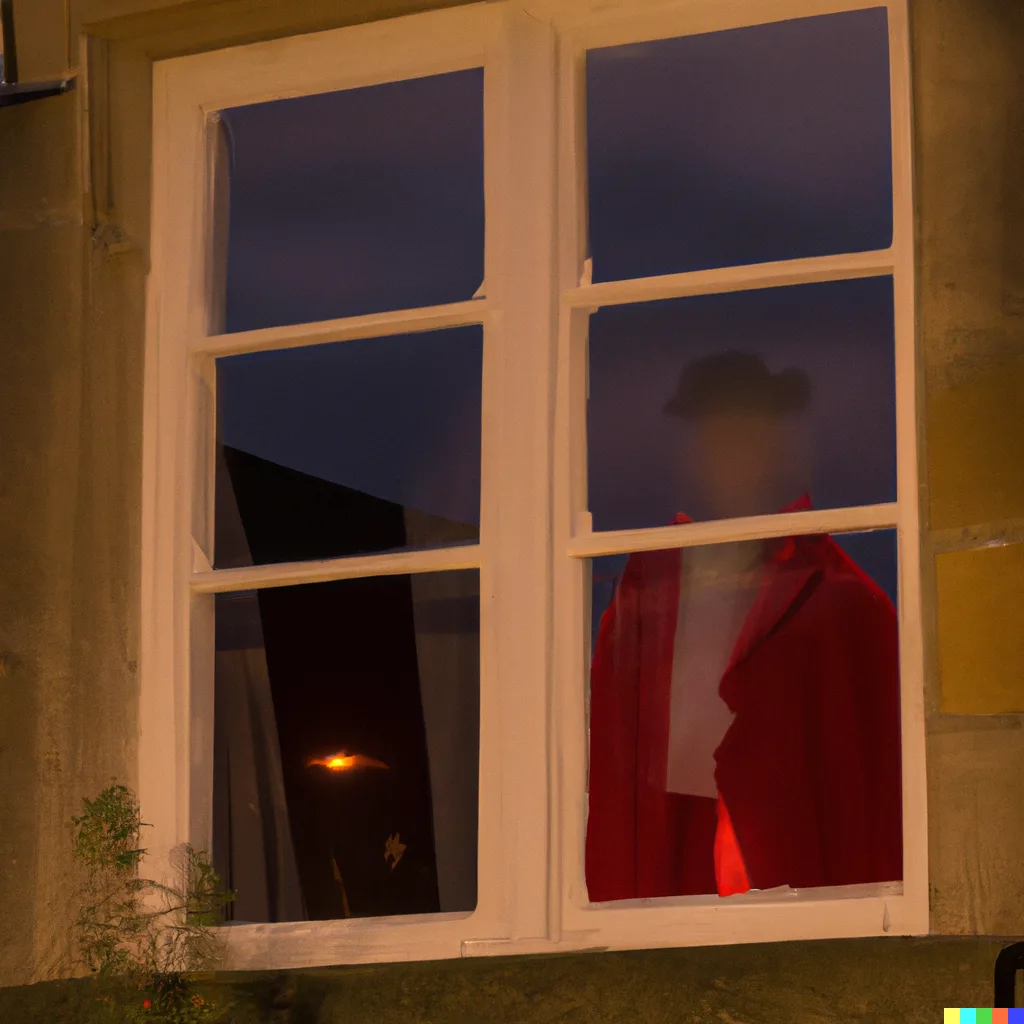
Watlington House is one of Reading’s finest old buildings and is said to be haunted by Captain Edward Purvis an old soldier from the end of the 18th century. His apparition has been seen dressed in a red coat and smoking a pipe.Nestled on Castle Street, the Castle Tap, formerly known as the Horse and Jockey apparently has its fair share of paranormal activity. Patrons have reported seeing the ghostly figure of a woman in old-fashioned clothing wandering the rooms. Others have recounted sudden temperature drops and the feeling of being watched when no one is around.
A vibrant hub for arts and performances, the South Street Arts Centre was previously a Salvation Army Citadel. Many who visit or work here have reported strange occurrences, from shadowy figures in the corners of rooms to lights flickering without reason. The sound of footsteps, when no one is present, is a common occurrence, hinting at the presence of spirits from another era.
The George Hotel, on Broad Street, dates back to the 1400s and is one of the oldest inns in the town, and reputedly one of the most haunted. Guests and staff have reported several apparitions, the most famous being a woman in Victorian clothing seen wandering the corridors and then disappearing through walls. The soft whispers in otherwise empty rooms and cold spots are also frequent eerie occurrences mentioned by visitors.
One of the oldest halls in the University of Reading, Wantage Hall is said to be haunted by the ghost of a former student who tragically took her own life many years ago. Students have often reported hearing unexplained footsteps in the corridors late at night and seeing a shadowy figure wandering the grounds.
Located in the heart of Reading, the Penta Hotel has a long and storied past. It's believed that a monk from Reading Abbey was murdered on this spot and now haunts the rather modern corridors. Guests have mentioned seeing the apparition of a monk walking through the hotel halls, especially near the stairway, only to vanish moments later.
Today, The Oracle is a modern shopping and leisure destination. However, the site it occupies has history dating back centuries. The centre is named after the 17th-century workhouse that previously stood on the site. Shoppers and workers have occasionally reported strange phenomena, such as unseen hands tapping them on the shoulder or feeling an unexplained rush of cold air. The spirits of those who once lived and worked in the old workhouse might still be lingering.
St. Mary’s Butts is said to be haunted by the ghost of a mischievous little boy. He is often seen playing near the old water fountain late at night. The boy, believed to have lived during the Victorian era, is known to laugh playfully, leading many to believe he's not a malevolent spirit but rather one trying to find joy in the afterlife.
Nearby, Greyfriars Church stands as a peaceful place of worship, but its grounds have a different tale to tell. It's said that the area around the church is haunted by the spirits of those who were buried in unmarked graves during times of plague. Some locals have reported seeing shadowy figures moving around the churchyard during the twilight hours.
Even our railway stations have ghosts - Tilehurst rail station has the spectre of a Swiss girl who jumped to her death on the tracks and there is also an old station-master who is said to walk the platforms at night.
So, on Friday night, wherever you are in town, look out for ghoulish and ghostly goings on, and remember to put a pumpkin out and have some treats ready for the local trick or treaters!
More haunted places around Berkshire

Comments
No comments yet. Be the first to share your thoughts.
Join the conversation
Log in to leave a comment on inReading.