
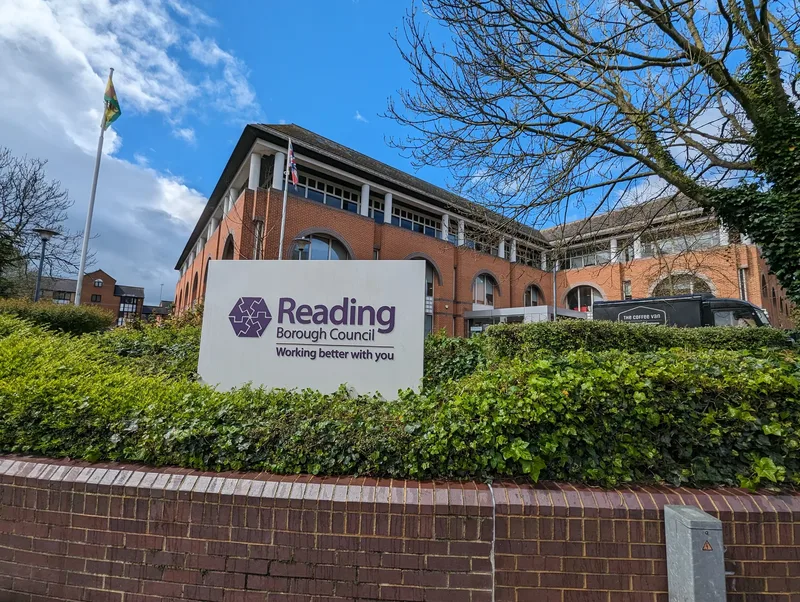
We all like to blame the council don't we ? Potholes, rent, over-development, traffic, Travellers, empty shops. The gripes and groans across 'social media' seem endless. As we approach local elections on 2nd May, we decided to take a deep dive into the role of our local councillors.
Some of the main responsibilities and duties of a local councillor include representing the interests of local residents - councillors are elected to represent the interests of all the people living within their local authority area or ward and act as advocates for local residents and ensure the council is aware of their concerns. They receive enquiries and complaints from constituents (that's you and me) about local issues and work to get them resolved satisfactorily. Councillors will often engage with community groups, businesses, schools and other local organizations to understand their needs and ensure they have a voice.
Councillors attend council meetings and make decisions on matters such as setting council budgets, housing, planning applications, recreation facilities, waste collection, and other local services.They may sit on specific committees or have responsibilities for areas of policy or regulation such as planning.
Councillors help develop policies that guide the council's approach to delivering services and managing issues in their area. However, the final imlementation and format is likely to be dictated by law, central government direction and the advice of council executives.
They review and scrutinize the council's decisions, policies and spending to ensure efficiency and value for money for taxpayers. This is becoming more and more of a challenge after years of cutbacks and austerity that has seen many councils like Slough effectively declare bankrupcy, and Reading's problems balancing its books in the past has been well documented.
Being a local councillor in England is not considered a full-time job. It is essentially a part-time role that councillors perform alongside their 'day job', so involves a considerable committment. Councillors do receive an annual allowance/salary to compensate them for their council duties and responsibilities. The amount they are paid varies between different councils. In Reading, the basic allowance is £8220 per annum or a total of around £550k for all 48 councillors. There are also various allowances and additional payments depending on the specific role. The Leader of the Council, Jason Brock (who is stepping down) is paid £18,500 p.a.
https://democracy.reading.gov.uk/documents/s10793/item7-CouncillorsAllowances2020-21.pdf
Considering that some councillors spend up to 30 hours a week on council and residents' issues (there is no stipulation on how much time they must spend in their role other than the election box), that's less than a Deliveroo rider and certainly less than the minimum wage.
It's also important to differentiate between the work elected Councillors do and the work undertaken by 'officers' (full or part time employees of the council).
Councillors provide the political leadership, set the policy framework and make key decisions, but officers should be politically neutral and provide unbiased professional advice/guidance to councillors to inform their decisions. Officers are then responsible for executing and delivering on the decisions made by councillors. So in essence, councillors rely on the skills and expertise of the council's workforce to turn their political visions into reality for the local area.
Micky Leng, a carpenter by trade and a councillor sitting for re-election in Whitley, as well as a lead for planning, gave inReading an interview to tell us more about the life of a councillor.
Comments
No comments yet. Be the first to share your thoughts.
Join the conversation
Log in to leave a comment on inReading.