
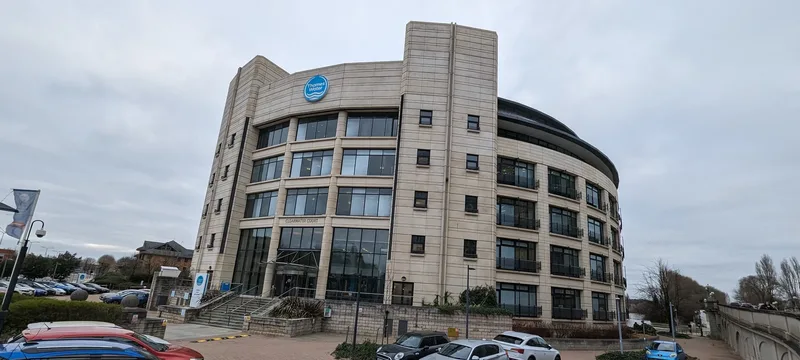
Australian infrastructure giant Macquarie has stated it is "very proud" of its record as the owner of Thames Water, a period during which the utility's debts tripled and billions were paid out in dividends, according to a report in the Financial Times. The defence comes as Thames Water, Britain's largest water company, teeters on the brink of financial collapse, facing potential renationalisation.
Ben Way, Group Head of Macquarie Asset Management, told investors at a meeting last month, "We’re actually proud, very proud of our ownership of Thames Water." He described the investment as "a very good example of the ability to have the courage of your convictions and look beyond the media drama or noise."
Macquarie led a consortium that controlled Thames Water from 2006 until it sold its final stake in 2017. During this decade-long tenure, the company's debt escalated dramatically from £3.4 billion to £10.8 billion. Over the same period, approximately £2.7 billion was extracted in dividends for shareholders.
Seven years after Macquarie's exit, Thames Water is grappling with a crippling debt burden now approaching £20 billion and is seeking further high-interest emergency loans. The company is desperately trying to secure a buyout deal, reportedly favouring a bid from US private equity firm KKR, to avoid a costly government takeover. The situation has prompted severe criticism from politicians and campaigners.
"Under Macquarie’s ownership, Thames Water pumped millions of litres of disgusting sewage into British rivers while racking up billions of pounds’ worth of debt that was then paid out to shareholders," commented Sarah Olney, Liberal Democrat MP for Richmond Park, last year. The utility's financial woes have also led subsequent major shareholders, including the Ontario Municipal Employees Retirement System and Abu Dhabi’s sovereign wealth fund, to write off the value of their investments.
Despite the criticism, Macquarie defends its stewardship. Mr Way argued against attributing the current crisis to Macquarie's tenure, saying, "Imagine being blamed for a house that you own seven years ago when the roof leaked." The firm highlighted £11 billion invested in infrastructure during its ownership, claiming this was the "highest per customer investment level" among English and Welsh water companies and led to a 22% reduction in leakage and a 75% drop in pollution incidents compared to 2006 levels.
"It was a much better business, imperfect, but much better business after our stewardship," Mr Way asserted, adding that UK regulators viewed Macquarie positively as an owner of assets during that time. In a statement, Macquarie reiterated it supported "record levels of investment" leading to "significant improvements" and noted the company met regulatory conditions and held an investment-grade credit rating upon its exit in 2017. Many in Reading and beyond might disagree with this analysis.
The controversy continues as Thames Water navigates complex negotiations involving potential new investors like KKR (already a shareholder in Northumbrian Water), creditors such as Elliott Management, and the regulator Ofwat.
Adding another dimension to the situation, Macquarie acquired a majority stake in Southern Water, the UK's next most financially troubled water company, in 2021. Southern Water is currently managing its own £6 billion debt pile and negotiating potential loan write-downs with lenders.



Comments
No comments yet. Be the first to share your thoughts.
Join the conversation
Log in to leave a comment on inReading.