
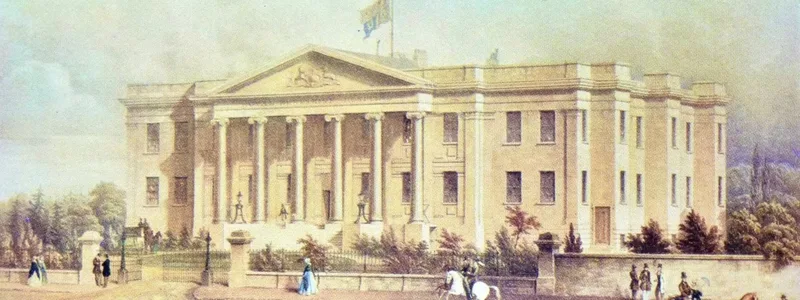
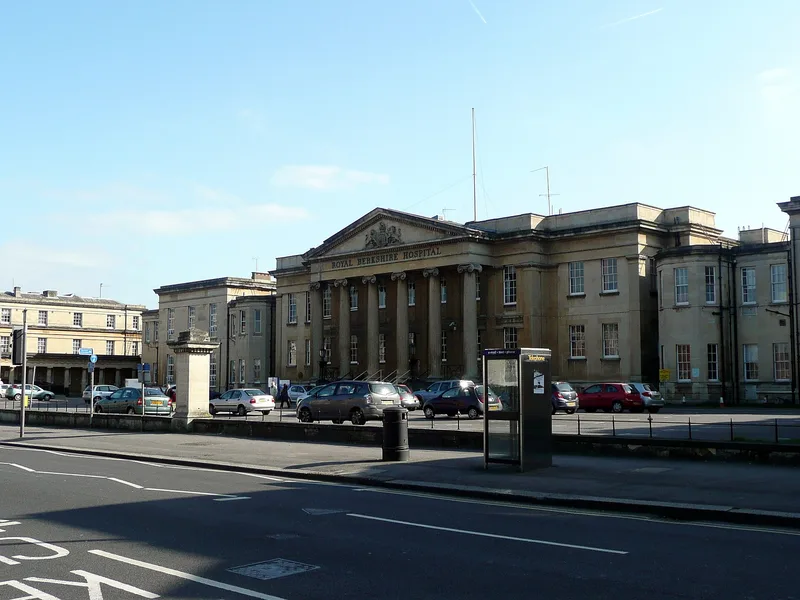
In late January 2026 the Department of Health and Social Care (DHSC) revealed that The Royal Berkshire Hospital has been placed in the final 'wave' of the New Hospitals Programme. This means construction is now slated to begin between 2037 and 2039, with completion potentially pushed to 2040. So this month we're taking a deep dive into health in our town past, present and future.
The announcement, made to the House of Commons by Health Secretary Wes Streeting as part of a wider "reset" of the national New Hospital Programme (NHP), the government revealed that the previous target of building 40 new hospitals by 2030 was "unfunded and undeliverable," leading to a significant rescheduling of projects across the country, placing the redevelopment of Berkshire's primary hospital in the slow lane.
The Royal Berkshire NHS Foundation Trust issued a formal response expressing "extreme disappointment" at the delay, noting that the current aging estate would require roughly £400 million in maintenance costs just to remain operational until the new site is ready.
However, despite this setback, it was also revealed in January that the Royal Berkshire Hospital NHS Trust is performing well, with latest government figures showing 81.7% of patients waiting less than 18 weeks to start treatment (an improvement from 80.4% a year ago with a further target of 85.4% by March 2026). This compares very favourably with averages in England of 61.8% (better than the 59.2% a year previously).
Medical History
Reading has a proud medical tradition and this month inReading is taking a look at how healthcare has evolved in our town. From early Roman settlements, to the monolithic medieval cloisters of Reading Abbey to the cutting-edge digital diagnostics of the 21st century, to some degree the story of healthcare in Reading is a mirror of Britain’s own medical development.
A recent study from the University of Reading indicates that Roman urbanism significantly harmed the physical well-being of the population in ancient Britain. By examining the skeletal remains of women and children, scientist Rebecca Pitt discovered that the transition to city living introduced toxic lead exposure, overcrowding, and restricted resources. Interestingly, these negative health outcomes were exclusive to urban centers, while residents in rural communities maintained health standards similar to those of the earlier Iron Age. The study, published in the journal Antiquity, suggests that the social upheaval of Roman occupation created a distinct divide in quality of life between city dwellers and country inhabitants. What did the Romans do for us ? Well in nearby Roman town of Silchester, they brought bad health !
However, Roman legionnaires could expect better treatment. The Romans introduced the concept of the dedicated hospital building, known as a valetudinarium. Primarily built for soldiers, these facilities featured corridors, wards, and specialized drainage.
Roman surgical kits were remarkably modern in design. Archaeologists have recovered bronze scalpels, bone drills, forceps, and "cataract needles." In Roman Silchester, evidence of such tools suggests that procedures like setting complex fractures or removing bladder stones were performed with a high degree of technical skill and you can see some of these tools in Reading Museum.
Monastic Healthcare
The seeds of Reading’s recent medical history were sown in 1121, when Henry I founded Reading Abbey. While the monks primarily cared for their own, the Abbey’s infirmary represented the first organized medical presence in the town and still stands overlooking the graveyard of St Lawrence (ironically, today it is a nursery).
Monastic healthcare was rooted in the Benedictine rule that "the care of the sick must be placed before and above all things," a mandate that transformed the Abbey into a beacon of healing for Berkshire.
At the heart of this operation was the infirmitorium or infirmary, a separate building within the abbey complex designed to provide peace, specialized diet, and medical attention. The Monk Infirmarer was the medieval equivalent of a Head Of Medicine, responsible for managing the Abbey’s apothecary and overseeing the "physic garden." Within these gardens, located near the Holy Brook, monks cultivated a living pharmacopeia. They grew sage for fevers, hyssop for chest complaints, and "all-heal" (valerian) for nervous disorders. Medicine was a blend of "Galenic" theory—the balancing of the four bodily humors—and practical herbalism.
Treatments at Reading Abbey were often surprisingly advanced yet fundamentally different from modern practice. The monks utilized "uroscopy" (the examination of urine for color and sediment) to diagnose ailments, and bloodletting was a routine preventative measure, believed to purge the body of excess "heat." For the pilgrims who flocked to the Abbey to see the relic of the Hand of St. James, healing was often sought through a combination of prayer and the physical administration of tinctures. The Abbey also operated the Hospital of St. John, founded in 1189 specifically to serve the "poor and pilgrims," marking the first time the town’s laypeople had access to organized clinical care.
As the centuries progressed, the medicine at the Abbey evolved from purely spiritual "miracle seeking" to a more observational science. The monks began to record the efficacy of certain herbs, and by the 14th century, the influence of Islamic medical texts, translated into Latin, began to filter into monastic libraries. This brought a greater understanding of surgery and anatomy, moving away from the idea that illness was merely a divine punishment and toward the concept of environmental and physical causes.
The catastrophic end to this medical tradition came with the Dissolution of the Monasteries in 1539. When Henry VIII’s commissioners arrived, the Abbey’s infrastructure was dismantled, and its vast knowledge base was scattered. The impact on Reading was devastating; the Hospital of St. John was closed, and the organized care for the poor vanished almost overnight. The town entered a "medical dark age" that lasted for nearly three centuries.
Without the monks to tend the physic gardens or provide beds for the infirm, the burden of care fell to unskilled "wise women" or expensive private physicians. It was not until the 19th-century foundation of the Royal Berkshire Hospital that Reading regained a healthcare institution of the same scale and civic importance as the one lost during the Reformation.
Modern Era Of Healthcare
The modern era of healthcare truly began in the 1830s. At that time, Reading was a town in the throes of the Industrial Revolution, its population swelling and its medical needs outstripping the charity of local dispensaries.
In 1836, Richard Benyon of the Englefield Estate offered £1,000 toward a dedicated hospital—a sum so significant he famously insisted on having the hospital’s architectural plans painted into the background of his official portrait. This philanthropic spark was fanned by Henry Addington, the 1st Viscount Sidmouth and a former Prime Minister, who donated four acres of land on London Road. The Royal Berkshire Hospital (RBH) opened its doors on May 27, 1839, a stunning piece of Bath stone architecture designed by Henry Briant which maintains much of its grandeur to this day.
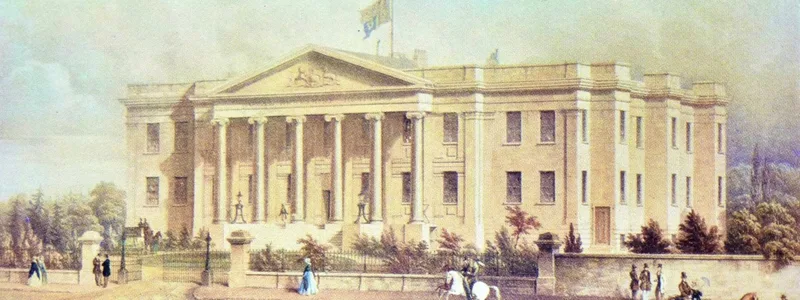
The first year of operation offers a stark glimpse into 19th-century medicine. With a total annual budget of just £433, the hospital spent more on beer (£91) than it did on many medical supplies, reflecting the contemporary belief in the restorative powers of ale! The ledger also records an expenditure of £27 on leeches, a reminder of the era’s reliance on bloodletting.
The hospital’s very first patient, admitted on May 28, 1839, was a fifteen-year-old boy named George Earley. A laborer on the burgeoning Great Western Railway, Earley had suffered a catastrophic compound fracture to his upper arm while working on the Sonning Cutting. His arrival forced the hospital to open several days earlier than planned. In a harrowing pre-anaesthetic procedure, his arm was amputated at the shoulder. He survived, remaining in the hospital for two months—a testament to the skill of early surgeons working without the luxuries of modern sedation, which would not arrive in Reading for another seven years.
As the 19th century gave way to the 20th, the RBH became a center for some of the most famous medical interventions in British history. Perhaps the most legendary figure was Leonard Joyce, a surgeon of such repute that his hands were said to be insured for a fortune. In 1931, Joyce faced his most high-profile challenge when a young, reckless RAF pilot named Douglas Bader crashed his Hawker Fury at Woodley Aerodrome.
Bader was rushed to the RBH with life-threatening injuries. Joyce performed a double amputation, saving the pilot’s life. Bader’s subsequent recovery and his role as a flying ace in the Battle of Britain became national legend, but it began in a ward in Reading. The bond between the two was so strong that Bader remained a frequent visitor to Joyce’s home in Reading long after the war.
Wartime Strain and the Battle Hospital
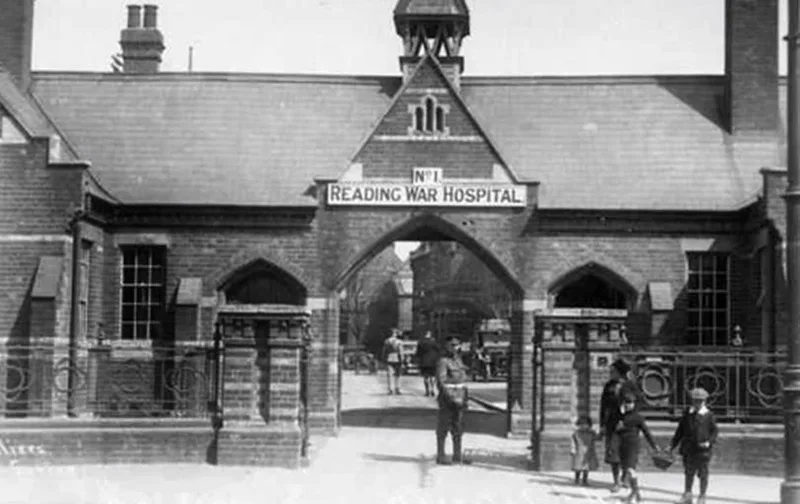
The World Wars transformed Reading into a "hospital town." During the First World War, the town became one of the largest war hospital complexes in the country. Battle Hospital, originally a workhouse infirmary, was designated "Reading No. 1 War Hospital." Local schools were requisitioned to house the wounded, and at one point, over 3,500 children had to be relocated to make room for wards.
By the mid-20th century, healthcare was no longer a matter of private charity but a public right. When the NHS was formed in 1948, the Royal Berkshire had 413 beds and was seeing nearly 30,000 outpatients annually. This era saw the leadership of Matron Winifred Aldwinckle, a formidable figure who had been one of the first nurses to land in Normandy after D-Day. Under her stewardship from 1948 to 1966, the hospital transitioned into the modern era, grappling with the polio epidemics of the 1950s—an era still represented in the Berkshire Medical Heritage Centre by a haunting 1939 "Iron Lung."
Modern Expansion and the Digital Frontier
Today, the scale of healthcare in Reading has reached proportions the founders could never have imagined. The Royal Berkshire NHS Foundation Trust now employs nearly 7,000 staff and serves a community of over one million people. The "wooden doors" that George Earley walked through are now part of a sprawling complex that integrates high-tech cardiology, a world-class maternity unit, and a dedicated urology center named after Frederick Potts, Reading’s only Victoria Cross recipient.
Recent statistics underscore the efficiency of the modern trust; the Accident and Emergency department consistently ranks among the most efficient in the country, with over 99% of patients frequently meeting the four-hour treatment target. Furthermore, the partnership with the University of Reading has turned the town into a hub for medical research, focusing on cardiovascular health and the training of Physician Associates to meet the rising demand of an ever expanding and aging population.
Whilst now driven by 21st-century technology like fibre-optic endoscopes and AI-assisted diagnostics, the physical and material condition of the hospital, along with severe restrictions for parking.
It seems that the current site will need to be maintained and evolved for the foreseeable future, although the three main options will remain in open consultation for the time being:
Option 1: Development of a new emergency care block, elective centre, and a women’s and children’s facility on the current site.
Option 2: A substantial, phased rebuild of the existing site, retaining the iconic 1839 Bath stone facade but replacing almost all other structures.
Option 3: A complete relocation to a new site, potentially at the Thames Valley Science Park in Shinfield or near Green Park.
Relocation is favored by Wokingham and West Berkshire councils, who argue it would resolve chronic parking issues and improve accessibility for the wider region. However, Reading Borough Council has remained a staunch advocate for keeping the hospital "at the heart of the community," citing concerns that a move to the edge of town would disadvantage residents reliant on public transport.
Bridging the Gap
Despite the major delay, the Trust is not standing still. Construction is currently underway on a new elective surgical unit in the South Block, scheduled for completion in summer 2025. This "surgical hub" is designed to cut waiting lists and provide modern facilities in the interim.
Furthermore, the Trust has recently opened a new on-site Urgent Care Centre and expanded its diagnostic facilities in Bracknell and West Berkshire. These satellite "enabling works" are part of a strategy to move care closer to patients while the central hospital site remains in a state of limbo.
Private Healthcare
Reading serves as a significant regional hub for private healthcare, offering several major hospitals and specialized clinics that cater to self-funding patients, those with private medical insurance, and NHS "Choose and Book" referrals.
The following facilities represent the primary private medical landscape in the town:
Major Private Hospitals
· Circle Reading Hospital (Circle Health Group): Located at Kennet Island (Drake Way), this is one of the most modern facilities in the region. It features 30 inpatient beds, 20-day case "pods," and five operating theatres. It is particularly noted for its award-winning design and specialized units for orthopaedics, spinal surgery, and rehabilitation.
· Spire Dunedin Hospital: Situated on Bath Road, Dunedin has been a fixture of Reading’s medical community for over a century. It offers a comprehensive range of specialties, including a "one-stop" breast clinic, cardiology, oncology, and a private GP service. It operates across several Victorian buildings converted into high-tech clinical spaces.
· The Berkshire Independent Hospital (Ramsay Health Care): Located in Coley Park (Wensley Road), this hospital opened in 1993 and houses 43 patient rooms. It is a major provider of orthopaedic procedures, such as hip and knee replacements, and features a dedicated level-two high dependency unit.
Specialized Clinics and GP Services
· Mayfield Clinic: A dedicated private general practice in central Reading that offers same-day GP appointments, prescriptions, and specialist referrals. They cater to patients who require longer consultation times or faster access than is currently available via local NHS primary care.
· The Forbury Clinic: Operating out of two locations (Kendrick Road and Craven Road), this clinic focuses on consultant-led specialist care, including urology, radiology, and advanced diagnostics.
· Berkshire Imaging: Often working in partnership with the local NHS Trust, this private radiology group provides high-level MRI, CT, and ultrasound scanning services, often based within the Royal Berkshire Hospital site or dedicated private suites.
Along with the challenges of maintaining current services in the face of an ageing and increasingly ill population, the creeping privatisation of the NHS is another challenge for the future, with the extreme right Reform UK party advocating part privatisation of the NHS towards a more American style model.
Find Out More
The Royal Berkshire Medical Museum, founded in 1997 and situated in the left wing of the main hospital building on London Road shows the remarkable progress made over the centuries in medicine, surgery, nursing, midwifery, dentistry and other aspects of healthcare where you can see and find out more about the history of healthcare in Reading.
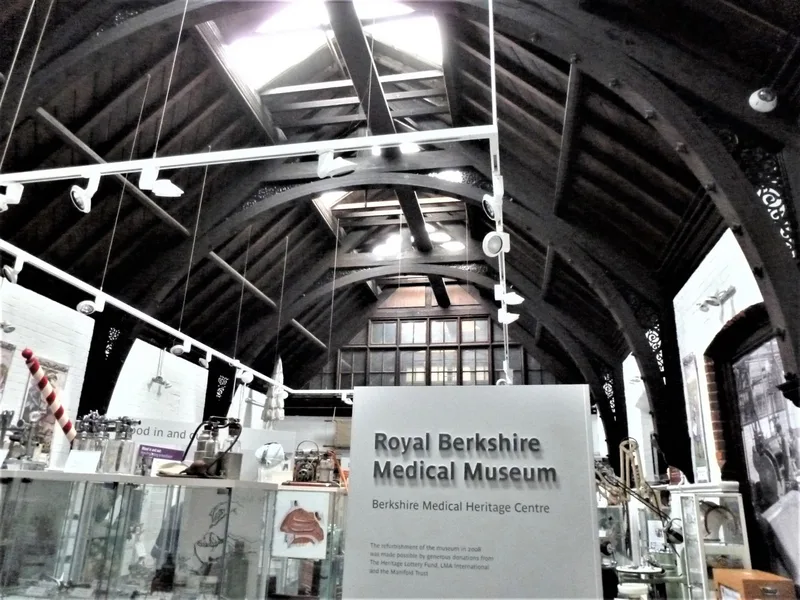
The museum is open on the first and third Sundays of each month, from 2.00 to 4.30pm. Volunteers will show you round and answer any questions you may have.
https://www.royalberkshire.nhs.uk/about-us/community-engagement/medical-museum


Comments
No comments yet. Be the first to share your thoughts.
Join the conversation
Log in to leave a comment on inReading.